Concept preview Tidehouse is a fictional institution imagined for Cox’s Bazar.

Read the source & fiction note
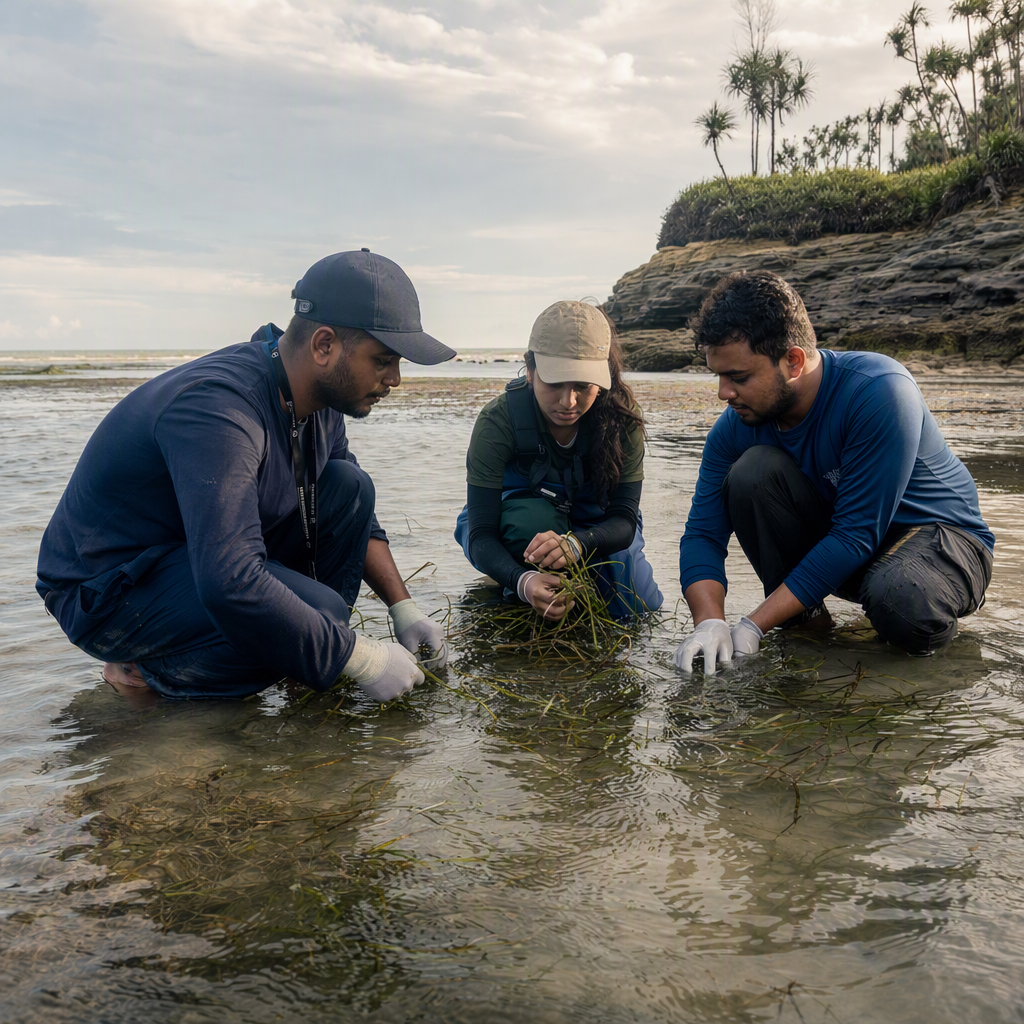
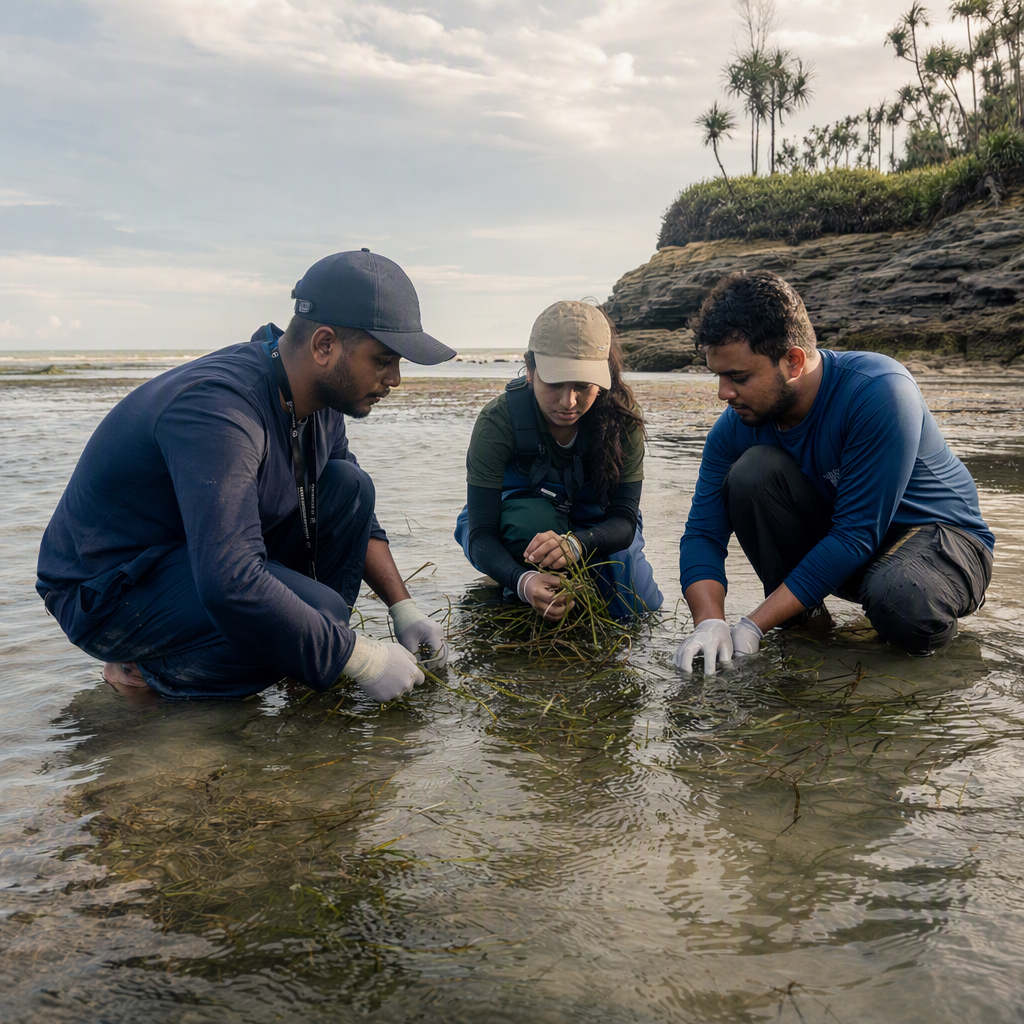
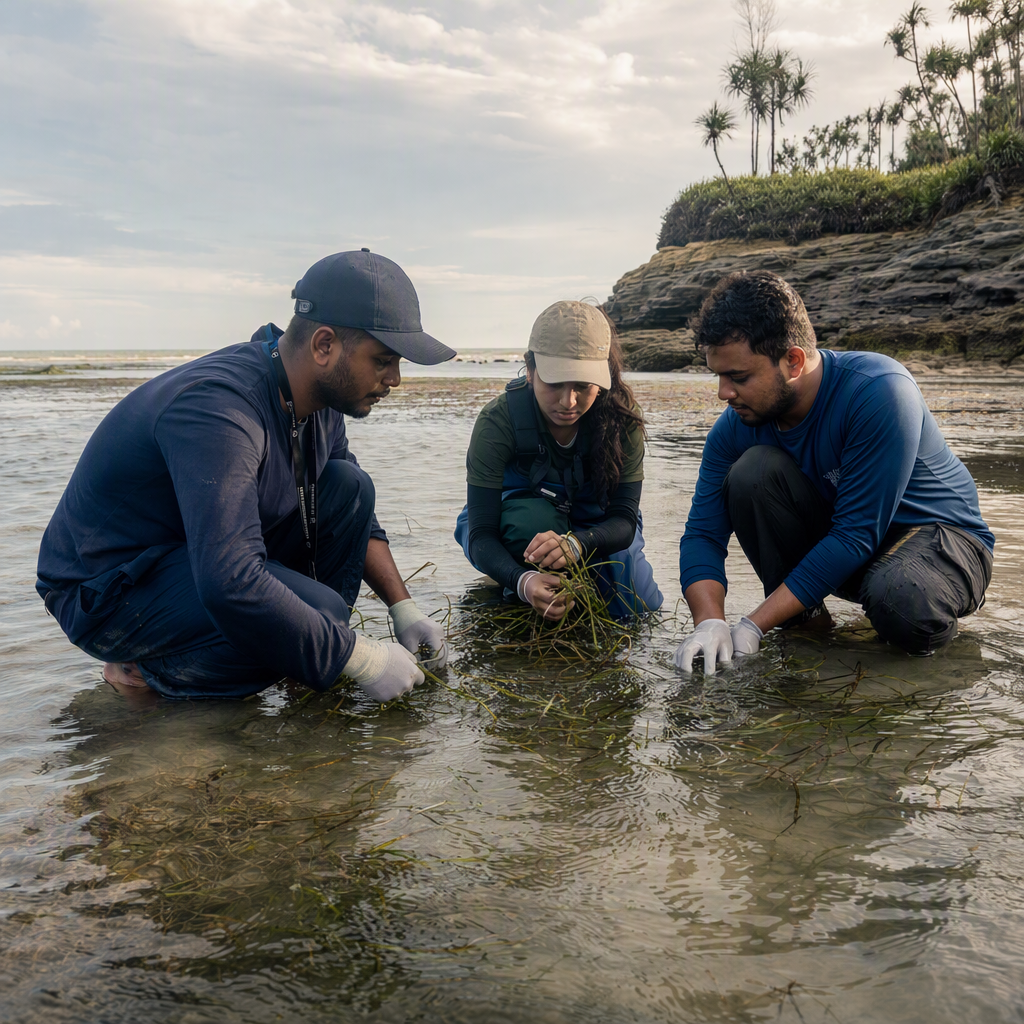
Illustrative field team recording mangrove measurements beside a tidal channel near Cox’s Bazar

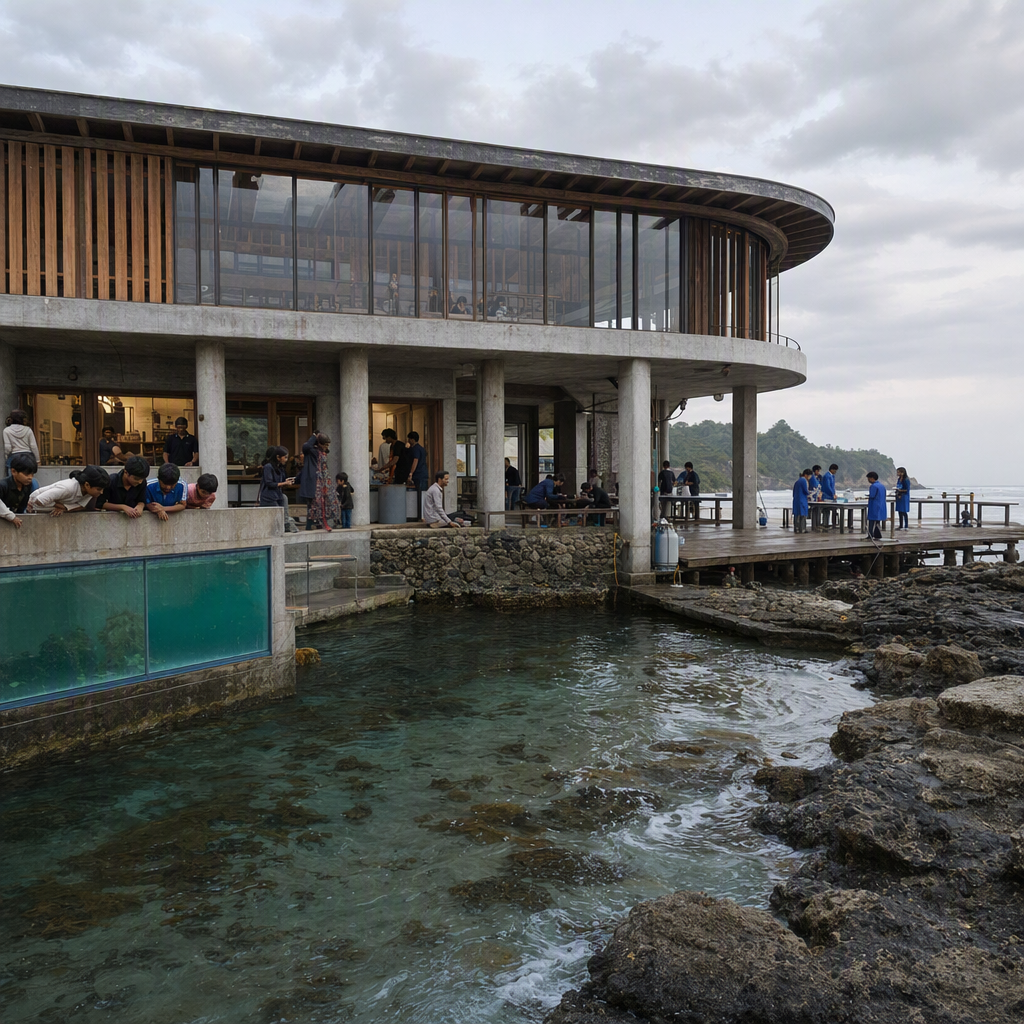
An imagined field station · transparent by design

One coast, many connected lives

Tidehouse imagines conservation as patient attention, from mangrove sediment and turtle nesting corridors to the movement of plastic through tidal creeks.

Explore the priorities

Three connected priorities

Follow the water, not the boundary

These proposed workstreams are fictional. Their methods reflect established approaches used by coastal researchers and community science programmes worldwide.

Researchers taking a shallow sediment core in a green seagrass meadow

01 · Blue carbon

Read the coast’s carbon archive

Illustrative teams compare seagrass cover, sediment depth and water clarity over changing seasons. The aim is to understand where habitats store carbon and shelter juvenile fish, without presenting early observations as settled conclusions.
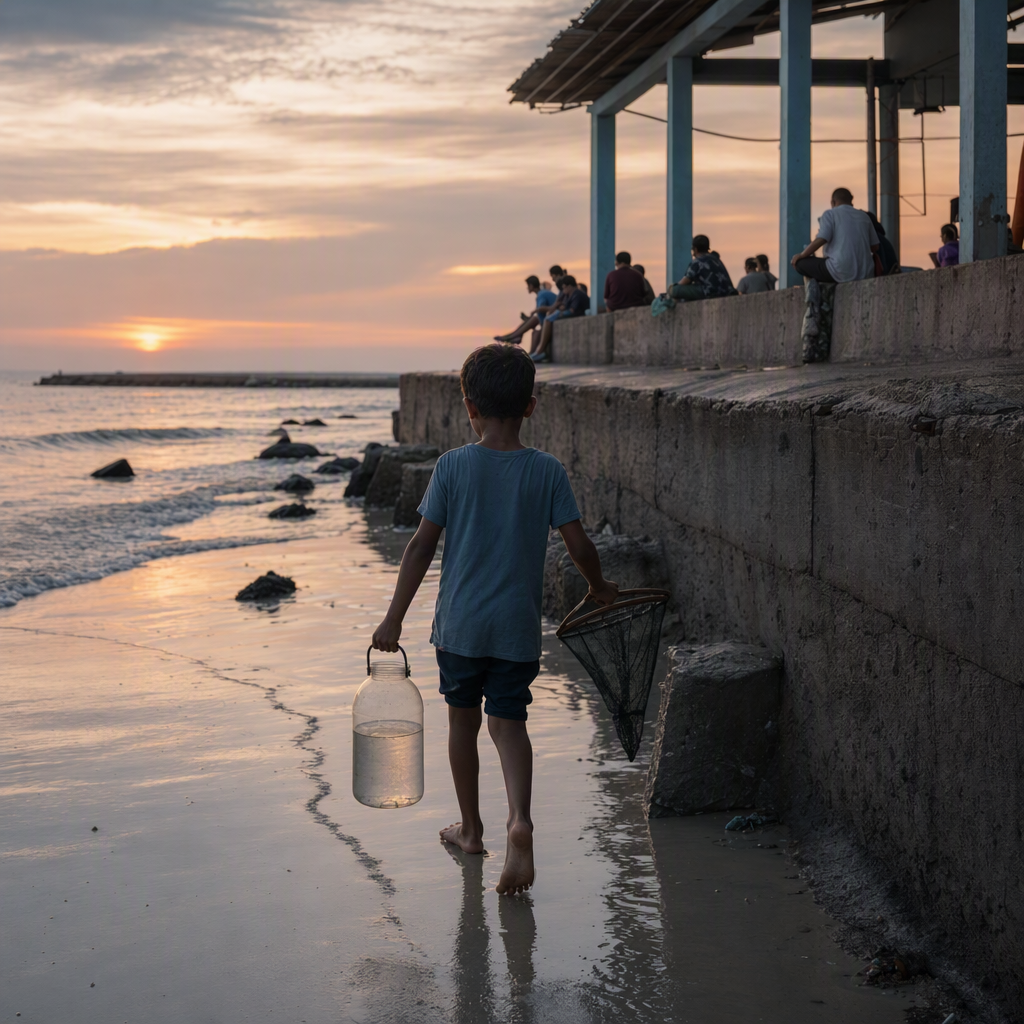
Sea turtle tracks crossing a quiet moonlit beach above the tide line

02 · Wildlife corridors

Protect the journey between habitats

A proposed light-and-noise survey maps where nesting beaches, dunes and nearshore waters meet human activity. The fictional framework favours careful observation, dark-sky guidance and collaboration rather than animal handling.

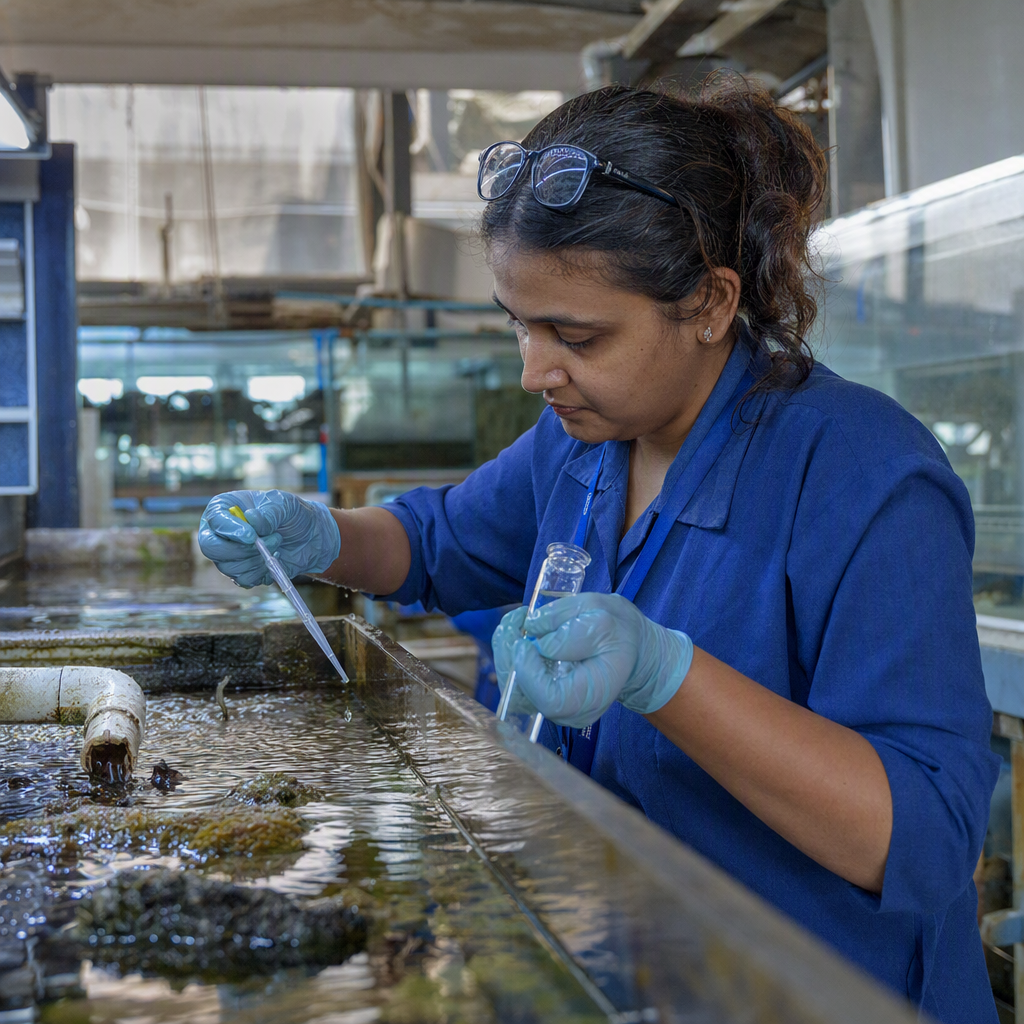
Gloved hands sorting labelled shoreline litter samples on a field table

03 · Source tracing

Ask where plastic begins

Repeat shoreline audits sort items by material, likely use and weathering. The useful question is not only what was found, but which upstream systems could prevent it from arriving.

Fictional field notebook

Methods, observations and honest limits

A square survey quadrat positioned over seagrass in clear shallow water

Case note 01 · Inani shallows · illustrative

Counting a meadow one square metre at a time

Method
Photograph fixed quadrats at matched tidal heights and estimate shoot density.
Observation
Sheltered plots appeared denser after calmer weeks in this fictional dataset.
Limit
A short seasonal window cannot establish a long-term trend or carbon total.
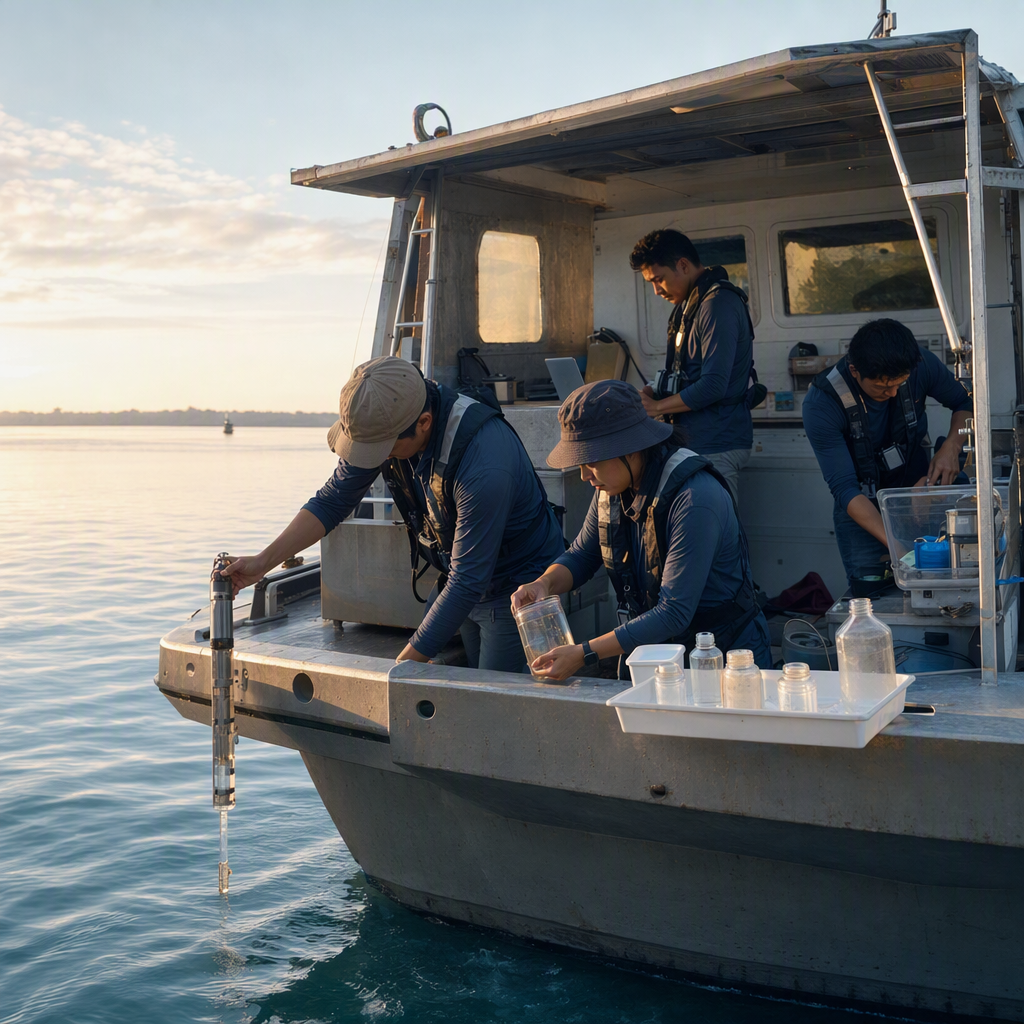
Marine acoustics researcher monitoring a hydrophone from a small survey boat

Case note 02 · Northern channel · illustrative

Listening before looking

Method
Drift a passive hydrophone while logging vessel sound and sea state.
Observation
Click-like signals in the imagined log clustered during quieter intervals.
Limit
Acoustic detections alone cannot confirm species, abundance or behaviour.
Coastal ecologists checking native dune plants behind a woven sand fence

Case note 03 · Teknaf dune edge · illustrative

Letting wind rebuild the first line of shelter

Method
Compare low woven barriers and native planting across small test plots.
Observation
Fine sand accumulated around the more porous fictional barrier design.
Limit
Storm seasons, access patterns and plant survival require multi-year review.
A supervised mixed-age group documenting shoreline finds without disturbing wildlife

Participation, imagined responsibly

Turn curiosity into a practice

Tidehouse is a design concept, not an active recruiter. These pathways show how a future centre might support informed participation.

  • Visit: build a route through habitats and research spaces.
  • Learn: compare programmes designed for schools, families and educators.
  • Register interest: use the preview enquiry to shape a possible community shore survey.
  • Support: examine the illustrative membership model and its learning benefits.

Evidence ledger

Clear about what this is

Fictional

Tidehouse, its staff, case notes, schedules, field locations, partnerships and results are invented for this website concept.

Grounded

Blue carbon, passive acoustics, quadrat surveys, litter audits and dune restoration are real areas of ecological practice described here at a general level.

Not claimed

No conservation outcome, local partnership, wildlife sighting, permit, employment opportunity or active volunteer programme is asserted.

Our editorial rule

Label illustrative material, separate observations from conclusions, acknowledge limits and direct real-world decisions to qualified local authorities and published evidence.